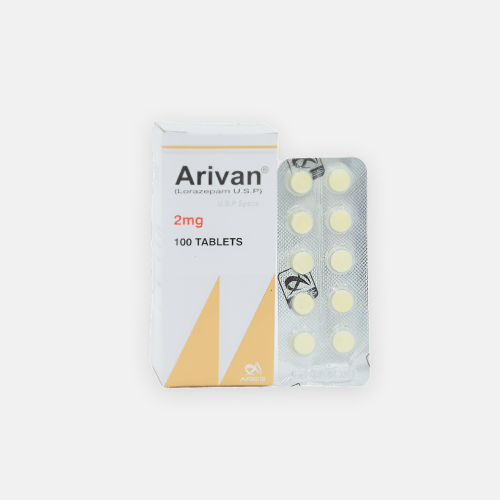
Lorazepam, commonly known by the brand name Ativan, is a benzodiazepine medication mainly used to treat anxiety disorders. It also has several other important medical uses.
Key Uses:
- Anxiety Disorders: Short-term relief of anxiety or anxiety linked with depression
- Insomnia (short-term): Helps with sleep when anxiety is a contributing factor
- Seizure Disorders: Commonly used in emergencies to treat status epilepticus
- Preoperative Sedation: Reduces anxiety and induces calmness before medical procedures
Key Characteristics:
- Forms: Available as tablets and injectable solution
- Dosage: Common strengths include 0.5 mg, 1 mg, and 2 mg
- Onset: Starts working within 30–60 minutes after oral use
- Duration: Effects usually last 6–8 hours
Common Side Effects:
Drowsiness, dizziness, weakness, unsteadiness, and confusion
Lorazepam is effective when used as prescribed and should be taken under medical supervision due to the risk of dependence and side effects.
Risk Factors:
- Dependence: Like other benzodiazepines, lorazepam can be habit-forming, especially with long-term or improper use.
- Withdrawal: Stopping lorazepam suddenly after extended use may cause withdrawal symptoms such as anxiety, insomnia, agitation, and in severe cases, seizures.
- Overdose: Excessive doses, particularly when combined with alcohol or other CNS depressants, can result in severe drowsiness, confusion, and dangerous respiratory depression.
Precautions:
Lorazepam should be used cautiously in patients with a history of substance abuse, breathing disorders, or liver disease. Avoid combining it with alcohol, opioids, or other sedatives unless advised by a healthcare professional.
Note: Lorazepam is a controlled medication due to its risk of misuse and dependence and should be taken strictly as prescribed by a qualified healthcare provider.